Learn how order fulfilment works inside a 3PL warehouse, from receiving and storage to pick and pack, dispatch, delivery and returns.

How Order Fulfilment Works Inside a 3PL Warehouse
When a customer clicks “buy now”, the work has only just begun.
Behind every smooth delivery is a chain of warehouse tasks that need to happen in the right order, at the right time, with the right stock. For growing eCommerce brands, importers, wholesalers and retailers, this is where a third-party logistics partner, also known as a 3PL, becomes more than just a storage provider.
A good 3PL warehouse receives your stock, stores it properly, tracks inventory, picks orders, packs them, dispatches them and often handles value-added jobs like labelling, kitting, rework and retail preparation. MCS Logistics Group’s own service structure is built around warehousing, container unloading, order fulfilment, value-added services, dispatch, distribution and regulatory compliance, which makes this topic a strong fit for the current MCS SEO plan.
And in Australia, the stakes are only getting higher. Australia Post’s 2026 eCommerce Report says Australians spent $82.6 billion online in 2025, up 14% year-on-year, with 82% of Australian households shopping online during the year. (auspost.com.au)
In plain English: Aussies are buying more online, and they expect the delivery side to work properly. No one wants their order taking a scenic tour around Sydney like it is looking for the best coffee in Surry Hills.
What Is Order Fulfilment?
Order fulfilment is the full process of getting an order from your stockroom to your customer.
Inside a 3PL warehouse, it usually includes:
- Receiving stock into the warehouse
- Checking and recording inventory
- Storing products in the right location
- Receiving customer or retailer orders
- Picking the correct SKU and quantity
- Packing the order safely
- Labelling and preparing it for dispatch
- Sending it through the right freight or delivery channel
- Providing tracking, proof of delivery or order updates where required
MCS describes its order fulfilment service as accurate picks, clean packing and fast dispatch, with structured workflows designed to reduce errors and delays from order to doorstep. (MCS Logistics Group)
Why Order Fulfilment Matters for Australian Businesses
For Australian retailers, importers and eCommerce brands, fulfilment is not just a warehouse task. It affects customer experience, cash flow, reviews, repeat sales and brand reputation.
If orders are picked incorrectly, customers get the wrong item. If dispatch is slow, delivery times blow out. If inventory is not updated properly, businesses can oversell stock they do not actually have. That can quickly become a customer service headache.
Australian Consumer Law also makes supply and delivery communication important. The ACCC states that businesses should provide clear and accurate information about stock availability, likely delivery timing and what will happen if they cannot supply on time or within a reasonable time. (accc.gov.au)
This is why good fulfilment is not just “chuck it in a box and send it”. It is a controlled process.
Australians spent $82.6 billion online in 2025, up 14% year-on-year, with 82% of Australian households shopping online during the year
Australia Post
How Order Fulfilment Works Inside a 3PL Warehouse
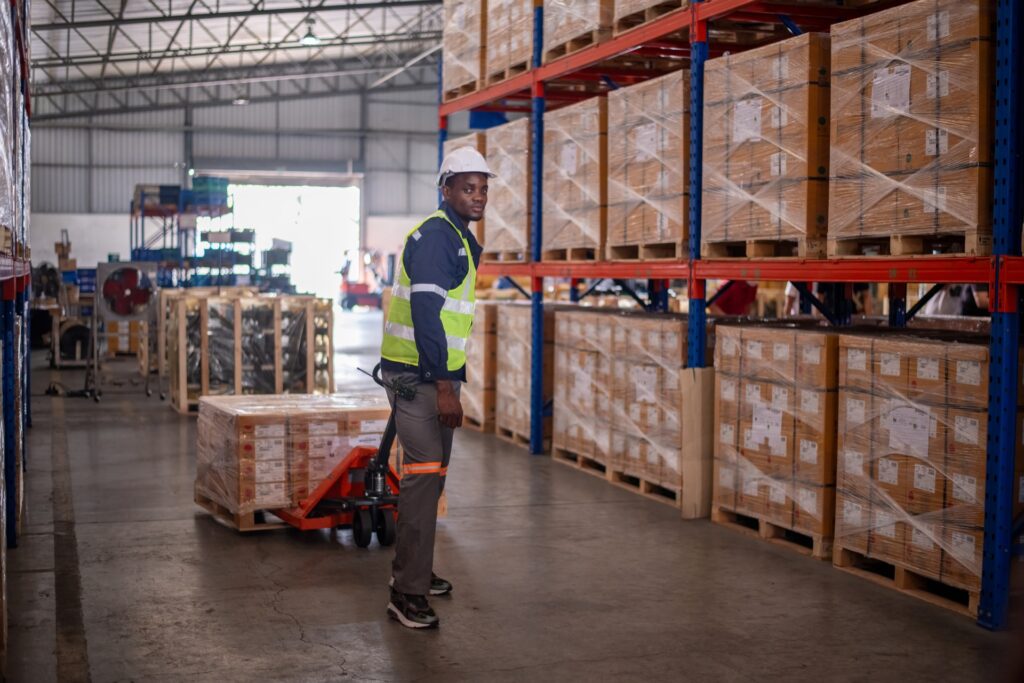
1. Stock Arrives at the Warehouse
The process usually starts with inbound stock. This could arrive from a local supplier, an interstate freight provider, an imported container or a customer transfer.
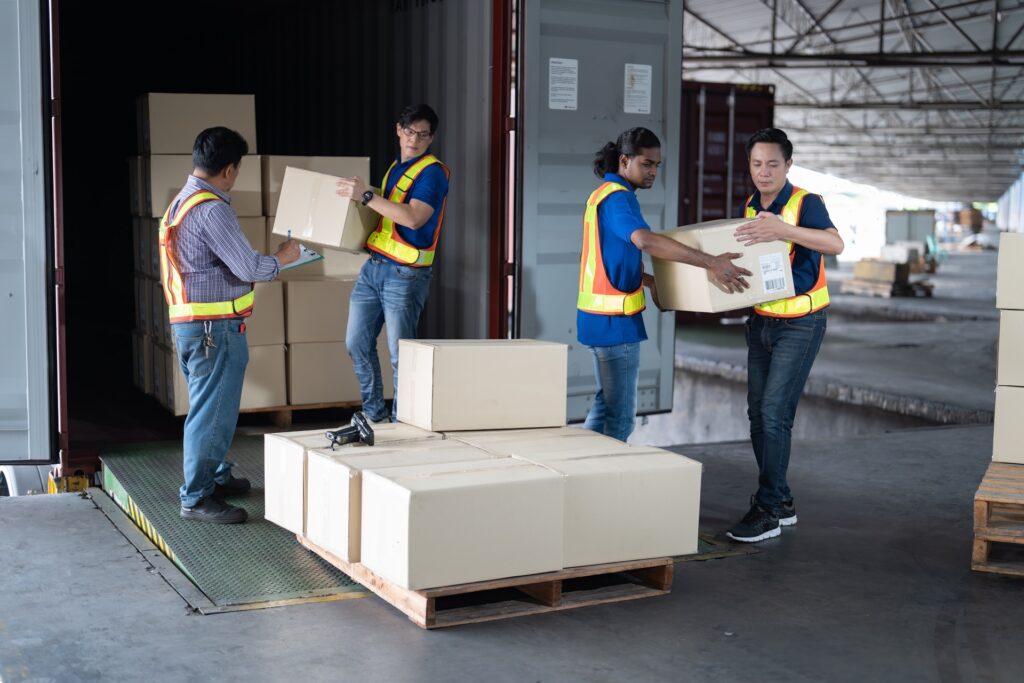
For importers, this stage may include container unloading, palletising, sorting, shrink-wrapping and receipting. MCS lists container devanning, palletising, putaway and inventory receipting as part of its inbound handling capability. (MCS Logistics Group)
This first step matters because mistakes made at receiving can create issues later. If cartons are miscounted, SKUs are mixed up or damaged goods are not flagged early, the warehouse team may only discover the issue when an order is already due out.
2. Goods Are Checked, Counted and Receipted
Once stock arrives, the warehouse team checks what has been received against the client’s paperwork, purchase order or inbound booking.
This may include:
- SKU checks
- Carton counts
- Pallet counts
- Batch or lot recording
- Expiry date checks, where relevant
- Damage inspection
- Labelling or relabelling where needed
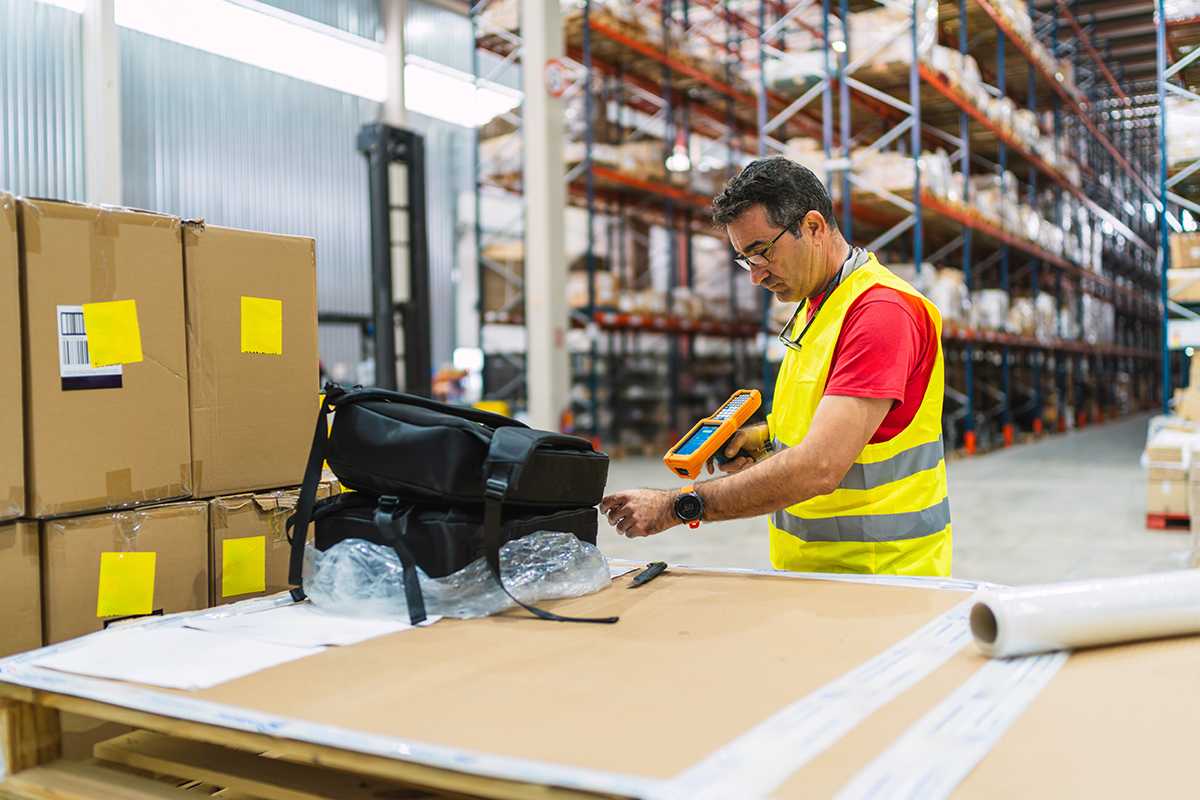
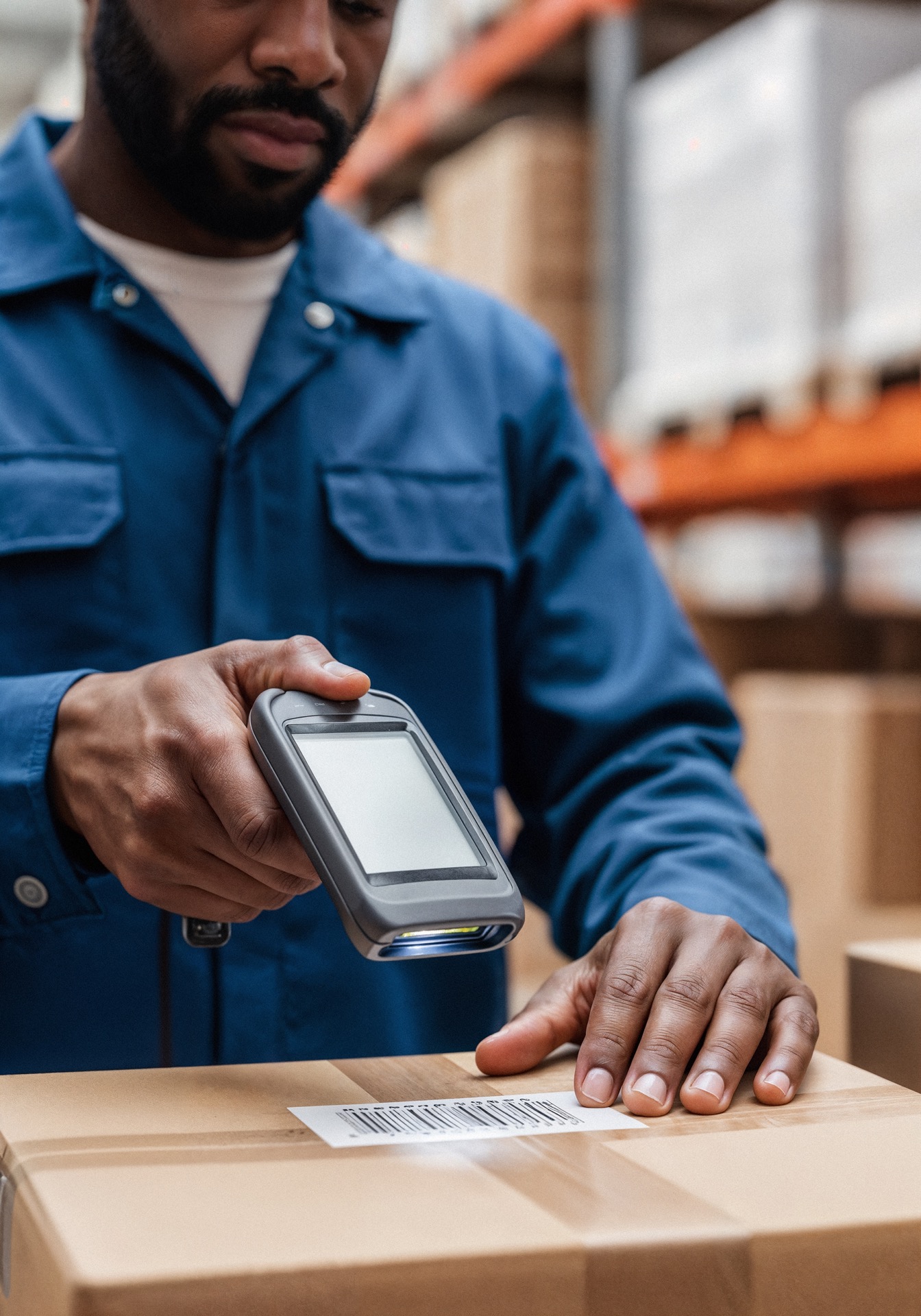
The stock is then entered into the warehouse management system, often called a WMS. MCS references controlled WMS-driven inventory checks as part of its receiving and inbound handling process. (MCS Logistics Group)
Barcode systems and standardised product identification help reduce manual errors and improve visibility. GS1 Australia notes that inventory accuracy and real-time tracking help improve DIFOT, order accuracy, shipment reliability and customer satisfaction. (GS1 Australia)
In other words, this is where the warehouse makes sure the system matches the real stock. Because “I’m pretty sure we have it somewhere” is not an inventory strategy.
3. Products Are Stored in the Right Location
After receipting, stock is moved into storage. Depending on the product type and order profile, this could mean pallet racking, carton storage, pick faces, staging areas or bulk storage.
MCS supports short-term and long-term pallet storage, overflow and seasonal storage, secure monitored warehousing and inventory visibility. (MCS Logistics Group)
Good storage layout is important because it affects picking speed. Fast-moving SKUs should be easy to access. Slow-moving products can sit further away. Heavy goods should be stored safely. Retail-ready stock should be kept clean, organised and easy to identify.
A well-run 3PL warehouse is not just a big shed full of boxes. It is closer to a live operating system, with locations, rules and workflows.

4. Orders Flow Into the Warehouse
When customers place orders through a website, marketplace, ERP or retail system, those orders need to reach the warehouse.
For eCommerce brands, this may be direct-to-consumer orders from platforms like Shopify, WooCommerce, Amazon or other sales channels. For wholesalers and distributors, it may be B2B orders, pallet orders or retailer replenishment orders.
MCS’s order fulfilment service covers B2B and retail orders, eCommerce fulfilment, and bulk picking into stores, warehouses and distribution networks. (MCS Logistics Group)
The warehouse then reviews the order details:
- Product SKU
- Quantity
- Customer or delivery address
- Freight method
- Special packing instructions
- Retail compliance requirements
- Dispatch deadline or SLA
This is the point where the order becomes a warehouse task.
5. The Order Is Picked
Picking is the process of collecting the correct items from storage.
A 3PL may use different picking methods depending on the order volume and product type:
Single-order picking:
One order is picked at a time. This is simple and useful for lower volumes or specialised orders.
Batch picking:
Multiple similar orders are picked together to reduce walking time and improve speed.
Wave picking:
Orders are grouped into “waves” based on delivery cut-off times, carrier collection times, order type or warehouse zone.
MCS specifically references batch, wave and single-order workflows as part of its optimised picking methods. (MCS Logistics Group)
This stage is where accuracy matters most. The picker must choose the right SKU, size, colour, flavour, carton or quantity. For a food brand, one wrong flavour could annoy a customer. For a retailer, one wrong carton could delay a store replenishment. For a B2B order, one missing pallet can throw off a whole delivery window.

6. The Order Is Checked and Packed
After picking, the order moves to packing.
This can include:
- Item verification
- Barcode scanning
- Carton selection
- Protective packaging
- Branded inserts
- Retail labels
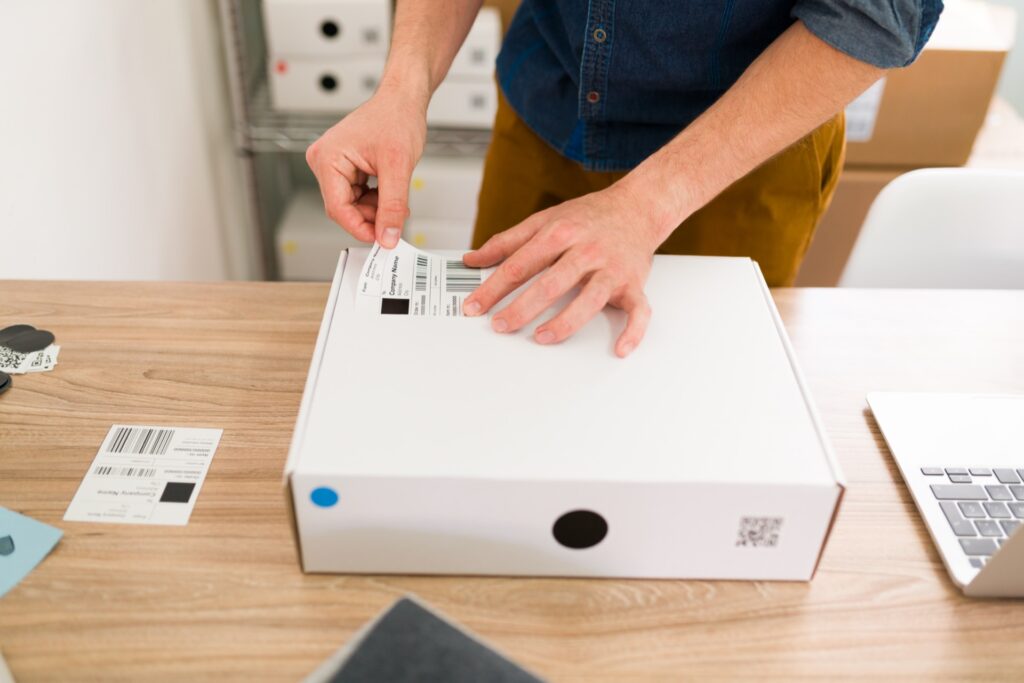
- Shipping labels
- Packing slips
- Carton sealing
- Pallet configuration for bulk orders
MCS describes its fulfilment capability as accurate pick, pack and dispatch for direct-to-consumer orders across multiple platforms, with system validation to ensure correct SKU selection, quantities and dispatch timing. (MCS Logistics Group)
Packing is not only about making the order look tidy. It protects the product, controls freight cost and supports the customer experience. Too much packaging wastes money. Too little packaging creates damage risk. The sweet spot is secure, efficient and fit for purpose.
For retail orders, packing may also need to meet specific requirements for stores, distribution centres or major retailers.
7. Value-Added Services Are Completed Where Needed
Some orders need more than pick, pack and ship.
Value-added services can include:
- Product labelling
- Kitting
- Assembly
- Rework
- Compliance labelling
- Dispatch verification imaging
- Retail-ready preparation
- Promotional bundling
- Carton or pallet reconfiguration
MCS lists labelling, kitting, dispatch verification imaging, technical rework and assembly as value-added services. (MCS Logistics Group)
This is especially useful for importers and retailers. For example, a food importer may need compliant labels before stock goes to market. A retailer may need products bundled for a promotion. An eCommerce brand may need subscription boxes packed in a particular way.
Basically, this is the warehouse equivalent of “while you’re there, can you also sort this out?” Done properly, it saves the business from moving stock to another provider just to fix, label or prepare it.
8. The Order Is Dispatched
Once packed, the order is staged for dispatch. The 3PL then hands it over to the selected carrier, courier, freight provider or internal delivery fleet.
For smaller eCommerce parcels, this may involve courier collection. For B2B and wholesale orders, it could mean pallet freight, Sydney metro delivery or national distribution.
MCS provides dispatch and distribution support, including metro and national freight, the option to use the client’s account or MCS’s account, and a company-operated 14-pallet truck for controlled Sydney Metro deliveries. (MCS Logistics Group)
For customers, this is the moment the order “leaves the building”. For the warehouse, it is the result of every step before it.
9. Tracking, Proof and Reporting Are Updated
After dispatch, order data needs to be updated so the client can see what has happened.
Depending on the system setup, this can include:
- Tracking numbers
- Dispatch confirmation
- Carrier details
- Proof of delivery
- Stock movement reports
- Remaining inventory levels
- Exception reports
This is important because customers often judge the business by communication. Australia Post’s 2026 eCommerce Report found that 69% of shoppers want a range of delivery options at checkout, and 26% expect same or next-day delivery when urgent. (auspost.com.au)
The more visible the fulfilment process is, the easier it is for businesses to manage customer expectations.
What Makes a Good 3PL Fulfilment Process?
A strong fulfilment process should be:
Accurate
The right item, quantity and order details must be picked every time.
Visible
You should know what stock you have, where it is and what has been dispatched.
Scalable
The warehouse should cope with normal weeks, promo spikes, seasonal surges and stock overflow.
Compliant
This matters especially for food, beverage, retail and imported goods. MCS states that its services include HACCP certified food and beverage storage, storage at an approved Class 2.2 biosecurity premise, inventory management, pick and pack, order fulfilment and last-mile distribution. (MCS Logistics Group)
Safe
Picking and packing involve repetitive manual tasks, so good warehouse layout, equipment and procedures matter. WorkSafe Victoria’s manual order picking guide highlights the importance of workplace design, layout, equipment and warehouse management practices in reducing picking and packing injury risks. (worksafe.vic.gov.au)
Flexible
One business may need single-unit eCommerce fulfilment. Another may need carton picking into retailers. Another may need palletised B2B distribution. A good 3PL should be able to match the workflow to the client, not force every client into the same box.
When Should a Business Outsource Order Fulfilment to a 3PL?
You should consider outsourcing fulfilment when:
- Your team is spending too much time packing orders
- Your garage, office or small warehouse is overflowing
- You are missing dispatch cut-off times
- You are getting too many picking errors
- You need better inventory visibility
- You are importing stock by container
- You need short-term overflow storage
- You are selling into retailers or wholesalers
- You need help with labelling, kitting or rework
- Your order volume changes during peak seasons
For many growing brands, the turning point is simple: fulfilment starts taking time away from sales, marketing, product development and customer service.
At that point, trying to keep everything in-house can become a false economy. It may feel cheaper, until late orders, packing errors, lost stock and stressed staff start eating into the business.
What to Ask Before Choosing a 3PL Warehouse in Sydney
Before choosing a 3PL fulfilment partner, ask:
- Can you handle my average weekly order volume?
- Can you scale during busy periods?
- Do you support B2B, retail and eCommerce fulfilment?
- What picking methods do you use?
- Do you provide inventory visibility?
- Can you handle container unloading and putaway?
- Do you offer short-term and long-term pallet storage?
- Can you support labelling, kitting or rework?
- What dispatch and delivery options are available?
- How do you reduce picking and packing errors?
MCS’s quote process asks for operational details such as SKUs, average orders per week, items per order and pallet volumes, which are exactly the kinds of details a 3PL needs to recommend the right fulfilment setup. (MCS Logistics Group)
Final Thoughts
Order fulfilment is the engine room of modern retail and eCommerce.
Customers may only see the delivery at their door, but inside the warehouse there is a full process working behind the scenes: receiving, checking, storing, picking, packing, dispatching and reporting.
For Sydney businesses dealing with stock growth, container arrivals, retailer requirements or eCommerce demand, a reliable 3PL warehouse can make fulfilment smoother, faster and easier to control.
MCS Logistics Group supports businesses with 3PL warehousing, storage, inventory management, pick and pack, order fulfilment, value-added services and dispatch solutions designed to scale with the business.
So, if your stockroom is starting to look like Boxing Day at Westfield, it may be time to let a proper 3PL warehouse take the pressure off.