Learn how container unloading in Sydney works, what documents importers need, how to avoid delays, and how MCS Logistics supports inbound stock handling.

Container Unloading in Sydney: What Importers Need to Know Before Their Stock Arrives
Importing stock into Australia is exciting until the container actually lands.
Then suddenly, it is not just “our goods have arrived”. It becomes a whole checklist of customs clearance, biosecurity checks, transport bookings, container unpacking, palletising, stock counts, warehousing, labelling, and dispatch planning.
In other words, the container arriving is not the finish line. It is the start of the next operational race.
For Sydney importers, retailers, wholesalers and eCommerce brands, getting container unloading in Sydney right can save time, reduce damage, avoid storage headaches, and help stock move into sale or distribution much faster.
Because nobody wants a container sitting around while everyone argues over who was meant to book the unloading crew. That is how demurrage, detention and headaches enter the chat.
What Is Container Unloading?
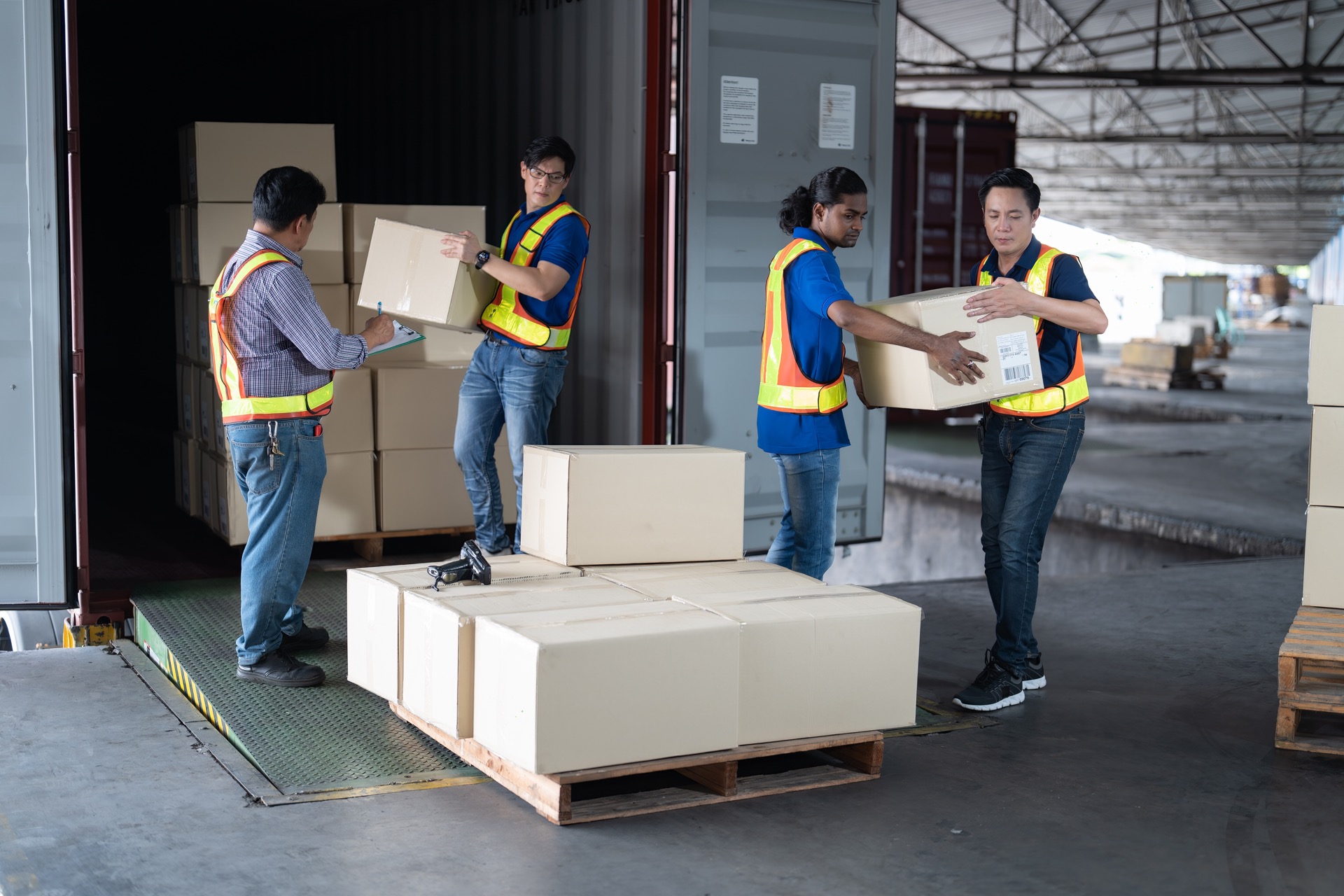
Container unloading is the process of removing goods from a shipping container after it arrives. In logistics, you may also hear it called container destuffing, container unpacking, or container devanning.
For importers, the process usually includes:
- Receiving the container
- Checking container seals and documentation
- Unloading loose-loaded cartons or palletised freight
- Sorting goods by SKU, order or product type
- Palletising and reconfiguring stock where required
- Checking quantities against paperwork
- Recording discrepancies
- Receipting stock into a warehouse management system
- Moving goods into storage, cross-docking or dispatch
MCS Logistics describes its container unloading service as a controlled inbound process for palletised, loose-loaded and floor-stacked freight, with stock verified against documentation and receipted into its WMS for immediate visibility. (MCS Logistics Group)
Why Container Unloading Matters More Than Importers Think
A container is not just a box full of stock. It is working capital.
If the unloading process is slow, messy or poorly documented, it can affect everything that happens afterwards. Orders may be delayed. Stock may be miscounted. Damaged goods may go unnoticed. Cartons may be mixed up. Pallets may be built incorrectly. Retail or wholesale dispatch may be held back.
For importers, good container unloading helps with:
- Faster stock availability
- Reduced handling damage
- Cleaner inventory records
- Better warehouse flow
- Easier product segregation
- Faster movement into storage or dispatch
- Early identification of missing or damaged stock
- Lower risk of downstream fulfilment errors
Think of it like the first over in a cricket match. Start badly and the whole innings gets harder.
Australians spent $82.6 billion online in 2025, up 14% year-on-year, and that 82% of Australian households shopped online in 2025. 69% of shoppers want a choice of delivery options at checkout, while 26% expect same or next-day delivery when things are urgent.
Australia Post
Before Your Container Arrives: What Importers Should Check
The best container unloading process starts before the container door opens.
Australian import requirements can vary depending on the product, value, origin, packing materials, permits and biosecurity risk. Business.gov.au advises importers to check whether permits are needed, whether goods must meet biosecurity, food safety or drug control requirements, and what duties, taxes, freight and handling costs may apply before importing. (business.gov.au)
Here is what importers should prepare before stock arrives.
1. Confirm Your Import Documentation
Your paperwork needs to be in order before the container gets to the warehouse.
For goods over AUD1,000 being cleared into home consumption, the Australian Border Force requires an Import Declaration, also known as an N10. The declaration includes details about the goods, importer, transport method, tariff classification and customs value. (Australian Border Force Website)
Common import documents include:
- Commercial invoice
- Packing list
- Bill of lading
- Arrival notice
- Import declaration
- Permits or approvals where required
- Certificate of origin where applicable
- Product or food documentation where required
The ABF also notes that first-time or infrequent importers are encouraged to use a licensed customs broker. (Australian Border Force Website)
A good rule of thumb: if the paperwork is messy before the stock arrives, the warehouse process will probably be messy too. No one wants to be playing “guess the SKU” at 7am.
2. Check Biosecurity Requirements Before Shipping
Australia takes biosecurity seriously, and for good reason.
The Department of Agriculture, Fisheries and Forestry says biosecurity requirements for containers arriving from overseas are designed to exclude exotic pests and diseases while still allowing containers and goods to be cleared. (agriculture.gov.au)
Importers can help the on-arrival clearance process by ensuring the container is free of biosecurity risk material, that correct documentation is available, and that goods and packing materials meet import conditions. DAFF also advises importers to check whether an import permit is needed before shipping goods to Australia. (agriculture.gov.au)
Things that can create problems include:
- Soil contamination
- Plant material
- Animal material
- Insects or pests
- Untreated timber packaging
- Contaminated pallets or crates
- Incorrect or missing import documents
Timber packaging is a particular concern because pests and diseases can enter Australia through timber used to pack or support cargo. (agriculture.gov.au)
This is why importers should not treat biosecurity as something to “sort out later”. Later can get expensive.
3. Know Whether Your Stock Is Loose-Loaded or Palletised
Not every container arrives the same way.
Some containers are palletised, meaning goods are already packed onto pallets. Others are loose-loaded or floor-stacked, meaning cartons are stacked directly inside the container. Loose-loaded containers can maximise space, but they usually require more labour, time and control during unloading.
MCS Logistics handles both loose-load and palletised freight, including floor-loaded cartons, pre-palletised stock, palletising, reconfiguration, product sorting, segregation and short-term staging. (MCS Logistics Group)
Before the container arrives, importers should confirm:
- Is the stock loose-loaded or palletised?
- How many cartons are expected?
- How many SKUs are in the container?
- Are the cartons labelled clearly?
- Are there fragile, heavy or oversized items?
- Are there mixed SKUs in the same cartons or pallets?
- Is stock going into storage, cross-docking or direct dispatch?
The more the unloading team knows ahead of time, the smoother the process will be.
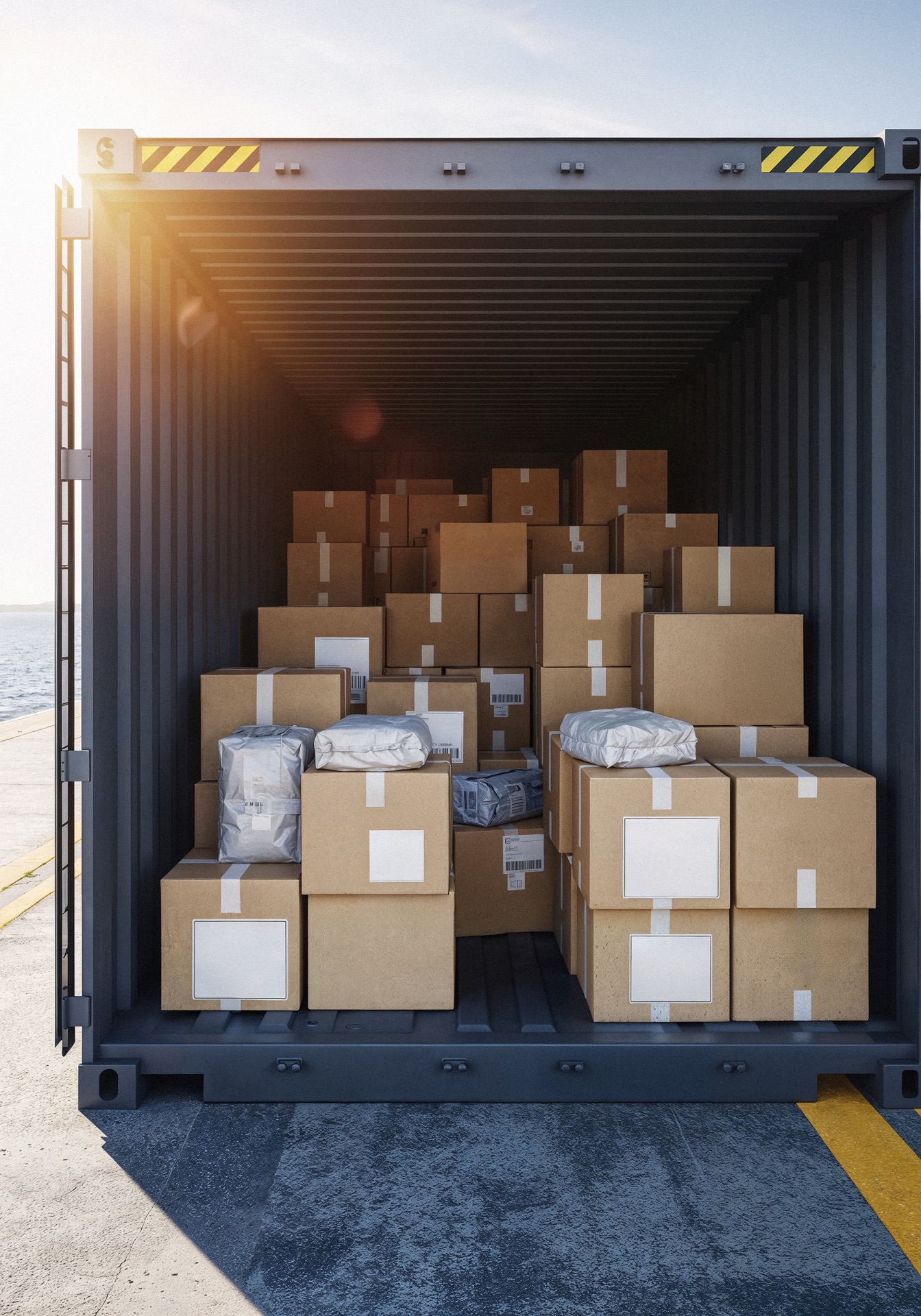

4. Plan for 20ft and 40ft Container Unloading
Most importers work with either 20ft or 40ft containers, including high-cube containers.
The unloading plan should consider:
- Container size
- Cargo weight
- Carton count
- SKU count
- Labour requirements
- Forklift or equipment needs
- Dock access
- Pallet requirements
- Staging space
- Time window for unloading
- Whether stock is going into storage or same-day dispatch
MCS Logistics provides unloading for 20ft and 40ft containers, including standard and high-cube containers, using structured workflows to maintain speed and control. (MCS Logistics Group)
A proper plan matters because a badly organised unload can turn into a warehouse version of “Where’s Wally?”, except Wally is carton 47 of SKU A12 and the customer ordered it yesterday.
5. Decide What Happens Immediately After Unloading
Unloading is only one part of the inbound process.
Once stock comes out of the container, it needs somewhere to go. That could be:
- Pallet storage
- Short-term staging
- Cross-docking
- Product sorting
- Relabelling
- Quality checking
- Kitting or assembly
- Order fulfilment
- Dispatch to retailers or customers
MCS Logistics specifically offers short-term staging and cross-docking for goods that need immediate dispatch, transfer or integration into outbound distribution. (MCS Logistics Group)
For importers, this decision should be made before the container arrives. If not, stock may sit in the wrong area, create congestion, or delay outbound orders.
6. Make Sure Inventory Is Receipted Properly
One of the biggest mistakes importers make is treating container unloading as purely manual labour.
It is not.
A good unloading process should connect directly to inventory management. Quantities should be checked against documentation. Discrepancies should be flagged. Stock should be receipted into a system.
MCS Logistics states that quantities are verified against documentation, discrepancies are flagged immediately, and stock is receipted directly into its WMS. (MCS Logistics Group)
This helps businesses avoid:
- Missing stock
- Incorrect stock counts
- Mixed-up SKUs
- Delayed online availability
- Wrong fulfilment data
- Poor customer experience
If your eCommerce store says “in stock” but the warehouse says “we think it is somewhere on pallet three”, that is not stock visibility. That is vibes.
7. Prepare for Compliance Labelling and Product Corrections
For some importers, especially food, beverage and regulated product businesses, the container may arrive with products that need local compliance work before entering the Australian market.
This can include:
- Nutrition Information Panel labelling
- Country of origin labelling
- Product relabelling
- Barcode corrections
- Retail-ready labels
- Container Deposit Scheme information
- Rework or repacking
MCS Logistics provides in-house regulatory compliance support, including FSANZ food standards and NIP labelling, Country of Origin compliance, CDS requirements, rework, relabelling and corrections within the warehouse workflow. (MCS Logistics Group)
For imported food, DAFF states that customs brokers and importers must complete full import declarations for imported food through the Department of Home Affairs’ Integrated Cargo System, and this information is used as part of the Imported Food Inspection Scheme. (agriculture.gov.au)
If your products need relabelling, it is better to know early. Finding out after orders are due to leave the warehouse is the kind of surprise nobody asked for.
8. Think About Storage Before the Container Lands
Many importers focus on getting stock into Australia but forget to plan where it will go after unloading.
That can create issues if:
- Your own warehouse is full
- Retailers are not ready to receive stock
- You need to hold seasonal inventory
- You need time for labelling or rework
- Your online store needs staged product releases
- You are waiting for purchase orders or dispatch dates
This is where container unloading and storage in Sydney becomes valuable. Instead of unloading at one site and moving stock again later, importers can use a 3PL warehouse to unload, sort, receipt, store and dispatch from the same controlled environment.
MCS Logistics began as a container unloading service in Sydney in 2012 and later expanded into warehousing after clients repeatedly faced space pressure. (MCS Logistics Group)
That history matters because container unloading and warehousing are closely linked. A business that understands both can help avoid the classic importer problem: the stock arrived, but no one knows where to put it.
9. Avoid Common Container Unloading Mistakes
Here are the mistakes importers should avoid before their stock arrives.
Poor communication with the unloading team: If the warehouse does not know what is arriving, the team cannot plan labour, equipment or staging properly.
Missing or unclear packing lists: A vague packing list can slow down sorting, counting and receipting.
No SKU labelling plan: Mixed cartons and unclear SKU labels can create fulfilment problems later.
Ignoring biosecurity risk: Soil, timber, pests and plant material can create delays and inspections. DAFF specifically notes that sea containers and breakbulk cargo from high-risk locations may be subject to heightened biosecurity measures, including mandatory six-sided inspections in certain cases. (agriculture.gov.au)
No storage plan: If the stock has nowhere to go, it becomes everyone’s problem.
No plan for damaged or short-shipped stock: Importers should decide how discrepancies are recorded and reported before the unloading begins.
Treating compliance as an afterthought: For food, beverage and regulated goods, compliance must be built into the process early.
10. What to Ask a Container Unloading Provider in Sydney
Before choosing a provider for container unloading in Sydney, ask these questions:
- Can you unload both 20ft and 40ft containers?
- Do you handle loose-loaded and palletised freight?
- Can you palletise and reconfigure stock?
- Can stock be sorted by SKU, order or category?
- Do you verify quantities against documentation?
- How are discrepancies reported?
- Can stock be receipted into a WMS?
- Do you offer short-term staging or cross-docking?
- Can you move stock directly into warehousing?
- Can you support labelling, rework or compliance tasks?
- Do you handle eCommerce, retail and wholesale fulfilment after unloading?
- What information do you need before the container arrives?
The right provider should make the inbound process clearer, not more confusing.
How MCS Logistics Supports Container Unloading in Sydney
MCS Logistics provides warehouse-based container unloading and destuffing in Sydney, designed for importers and businesses that need controlled inbound processing.
Its container unloading capabilities include:
- 20ft and 40ft container unloading
- Standard and high-cube container unloading
- Loose-load and palletised freight handling
- Floor-loaded carton handling
- Palletising and reconfiguration
- Product sorting and segregation
- Short-term staging and cross-docking
- Quantity verification against documentation
- Discrepancy reporting
- Inventory receipting into WMS
MCS also notes that if a business needs containers unpacked at its own premises, its sister company, MCS Container Solutions, handles on-site devanning across Sydney, Melbourne and Brisbane. (MCS Logistics Group)
This gives importers flexibility. Stock can be unloaded directly into the MCS warehouse for storage, fulfilment and dispatch, or handled on-site through the broader MCS network.
Useful Resources for Australian Importers
Here are helpful resources to understand the import process before your container arrives.
Australian Border Force: Import declarations
Useful for understanding Import Declarations, SAC Declarations, Warehouse Declarations, duties, taxes and the role of licensed customs brokers. (Australian Border Force Website)
Business.gov.au: Importing and your business
A practical overview of importing for Australian businesses, including customs, permits, duties, GST, biosecurity and labelling requirements. (business.gov.au)
DAFF: Arrival of goods in Australia
Useful for understanding container biosecurity, documentation, BICON, Country Action List cargo and inspections. (agriculture.gov.au)
DAFF: Approved arrangements video
DAFF provides a “See. Secure. Report.” video explaining how to manage pests and diseases that may be present in imported goods and containers at approved arrangement sites. (agriculture.gov.au)
Final Checklist Before Your Container Arrives
Before your next container lands in Sydney, make sure you have:
- Confirmed your customs and import documents
- Checked whether permits or approvals are required
- Reviewed biosecurity requirements
- Confirmed whether the stock is loose-loaded or palletised
- Shared the packing list with your unloading provider
- Confirmed container size and arrival window
- Planned labour and equipment requirements
- Organised pallets, labels and staging space
- Decided whether stock goes into storage, cross-docking or fulfilment
- Planned for compliance labelling or rework if needed
- Confirmed how discrepancies will be reported
- Confirmed WMS receipting and inventory visibility
Get these right and container day becomes much less stressful.
Get them wrong and, well, you might need more than a strong flat white to get through the morning.
Need Container Unloading in Sydney?
If your business imports containers into Sydney, MCS Logistics can help unload, sort, palletise, receipt, store and prepare your stock for the next stage.
Whether your freight is loose-loaded, palletised, floor-stacked, ready for storage, or heading straight into fulfilment, MCS provides a controlled inbound process designed to reduce errors and keep stock moving.
Speak with MCS Logistics about container unloading, destuffing, warehousing and 3PL support in Sydney.